What’s Happening?
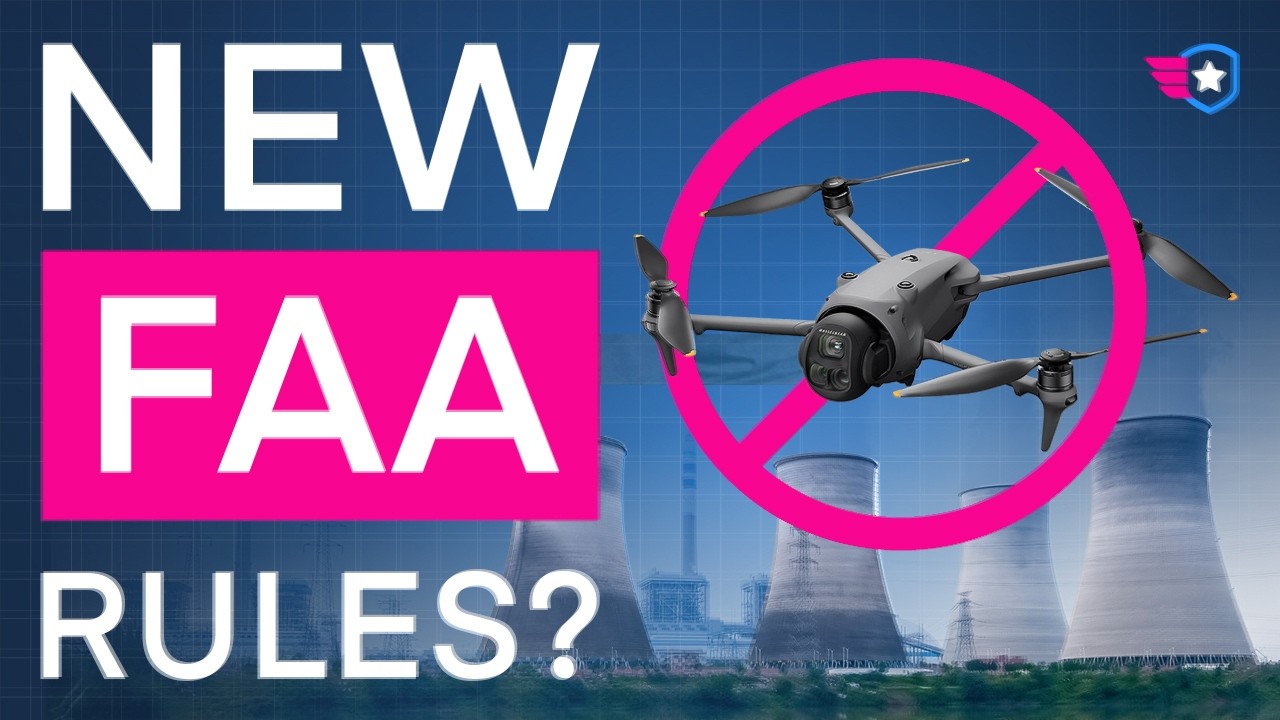
The FAA just released its proposed rule for Section 2209, creating a new system called Unmanned Aircraft Flight Restrictions (UAFRs). These restrictions will allow critical infrastructure sites to request no-fly zones over their facilities. The public comment period closes on August 5, 2026.
This matters to you if you fly drones—whether recreationally or commercially.
The Bad News: If You Fly Recreationally
You will not be able to fly in any UAFR. Period.
There are no exceptions. No workarounds. No special permits. If a site gets a UAFR designation, recreational drone operations are completely prohibited in that airspace.
Why are recreational flyers excluded?
The rule only allows exceptions for commercial operators who have undergone TSA security checks. Recreational flyers don’t go through this process, so the FAA didn’t include an exception pathway for you.
What this means:
- If you fly drones for fun and a UAFR is designated over an area you regularly fly, you won’t be able to use that airspace anymore
- You have no recourse—the facility doesn’t have to notify you, and you can’t appeal
- This is one of the biggest gaps in the proposed rule, and recreational pilots should consider submitting comments about it
The Good News: If You’re a Commercial Operator
You CAN still fly through UAFRs, but with conditions.
You’ll need to:
- Comply with Remote ID requirements (you’re probably already doing this under 14 CFR Part 89)
- Provide advance notice to the facility before you fly
This applies to you if you operate under:
- Part 91
- Part 107
- Part 108
- Part 135
- Part 137
What “advance notice” actually means:
You notify the facility that you’re going to be flying through their airspace. The facility receives this information but cannot deny your flight. Notification is not approval—it’s just a heads-up. The FAA maintains control of the airspace, not the facility.
The catch: The proposed rule doesn’t specify how far in advance you need to notify them. This is something the FAA is asking for comment on, so if you have concerns about logistics, now is the time to voice them.
How Many Areas Will Be Restricted?
The FAA identified approximately 125,000 potential sites that could qualify for UAFRs. However, they estimate only about 9,000 sites will actually apply over the next 5 years.
What qualifies? Sites must be from one of 16 critical infrastructure sectors:
- Energy facilities
- Chemical plants
- Water treatment plants
- Nuclear plants
- Transportation hubs
- Defense installations
- Hospitals and healthcare facilities
- And 9 others
Before a site gets a UAFR, they must prove:
- Real drone activity has been a problem for them
- They have a specific vulnerability to drone operations
- They already have security measures in place (personnel, monitoring, restricted access)
- They can receive Remote ID information from drones
So not every power plant or hospital will get a UAFR—sites have to make their case first.
How This Will Work in Practice
When a site applies for a UAFR:
- They submit an application to the FAA proving they need it
- The FAA conditionally approves it
- The FAA publishes a public notice for 30 days so people can comment
- If approved, the UAFR is designated for up to 5 years
Important: If you’re a commercial operator and a UAFR is proposed in an area where you regularly work, you can submit a comment during that 30-day window. This is your chance to explain how it will affect your business.
There’s also a fast-track option: The FAA can bypass the 30-day public comment period if they determine there’s “good cause.” This is controversial because it removes transparency. If you’re concerned about this, you should comment on the main NPRM now.
The Real Impact on Your Operations
For Commercial Drone Pilots
Positive impacts:
- You retain the ability to fly through restricted areas if you notify the facility
- The FAA controls the airspace, not individual facilities
- You’re not completely shut out like recreational flyers
- There’s a clear, national standard instead of states doing their own thing
Challenges:
- You’ll need to add notification procedures to your flight planning
- You’ll need to maintain Remote ID compliance (already required)
- Facilities can’t actually stop bad actors, so restrictions may feel ineffective
- The notification timeline isn’t clear yet—you may need to contact facilities well in advance
- Facilities have no counter-drone technology, so they can’t actually enforce restrictions, which raises questions about effectiveness
For Recreational Drone Pilots
Impact: You’re completely blocked from flying in any UAFR.
This is a significant restriction if you fly in areas near critical infrastructure. The proposed rule offers no exceptions, no appeals process, and no way around it.
What You Should Do Right Now
If You’re a Commercial Operator
Submit a comment to the FAA explaining:
- How advance notification would work with your current operations
- What timeline makes sense for notifying facilities
- Whether the transit pathway is workable for your business
- Any cost implications
- Whether the 16 critical infrastructure sectors are appropriate
Be specific. Tell them about your actual routes, your clients, your operations. Generic comments don’t carry weight, but real-world examples do.
If You’re a Recreational Flyer
Submit a comment arguing for inclusion. You could propose:
- A way for recreational flyers to be included (maybe with Remote ID compliance)
- Specific areas where recreational flying should be allowed
- Why complete exclusion is unfair or impractical
If You’re Either
Comment on the gaps in the rule:
- Facilities have no actual enforcement capability (no geofencing, jamming, or drone capture allowed)
- The “good cause” fast-track removes transparency
- State and local regulations might conflict with federal UAFRs
- The notification system assumes honest actors will comply while bad actors won’t
How to Submit Your Comment
Deadline: August 5, 2026
- Go to regulations.gov
- Search for Docket Number: FAA-2026-4558
- Click “Comment Now”
- Write your comment (takes about 5 minutes)
Make your comment count:
- Be specific about how this affects YOU
- Use real examples from your operations
- Explain business impacts (routes, costs, clients)
- Be professional—your name is attached to it
- Avoid generic form letters
The FAA has to read and respond to substantive comments. A well-written comment from a real pilot will carry more weight than a form letter.
Bottom Line
If you’re a commercial drone pilot, this rule gives you a pathway to continue operating through restricted airspace, but you’ll need to adapt your procedures. If you’re a recreational flyer, this rule shuts you out completely from any UAFR airspace.
This is why the comment period matters. The FAA is actively asking for input on whether recreational pilots should be included, how the notification system should work, and whether the scope of critical infrastructure is right.
August 5, 2026 is your deadline to have a say in how this rule is finalized. Don’t miss it.